4

An Educational Overview of Time and Attendance Platforms

Disclaimer: This post is for educational and informational purposes only and does not provide financial advice or investment guidance.
Introduction

Digital time and attendance platforms have become a core component of modern workforce management. These platforms allow organizations to monitor schedules, track employee attendance, and organize operational data efficiently. This post provides an educational exploration of swipeclock and similar systems, explaining registration, navigation, and essential functionalities from a professional, neutral perspective.


Core Functions of Time and Attendance Platforms

Time and attendance platforms consolidate various workforce management tasks into a single interface. Core functions typically include:

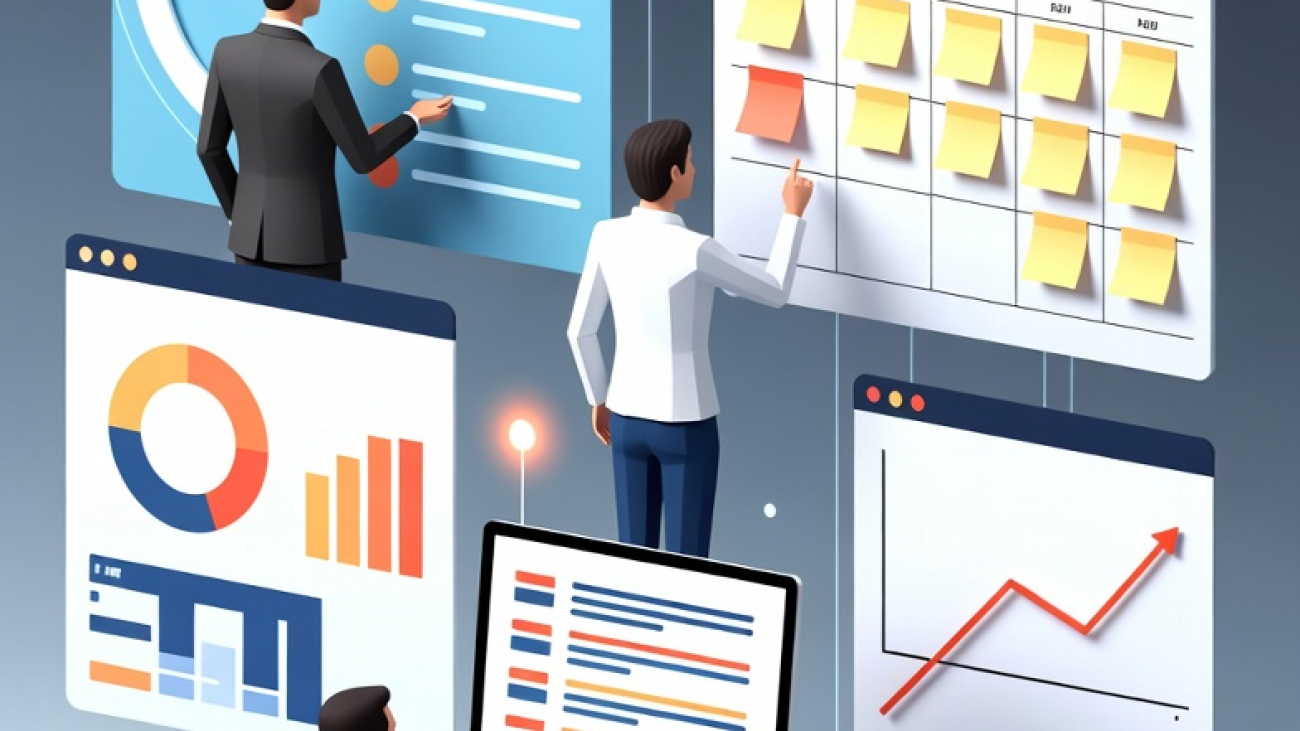
1. Scheduling and Shift Management: Platforms allow users to create recurring schedules, adjust shifts, and assign employees across departments. Swipeclock provides an intuitive scheduling module where administrators can visualize shifts using calendars and color-coded timelines.

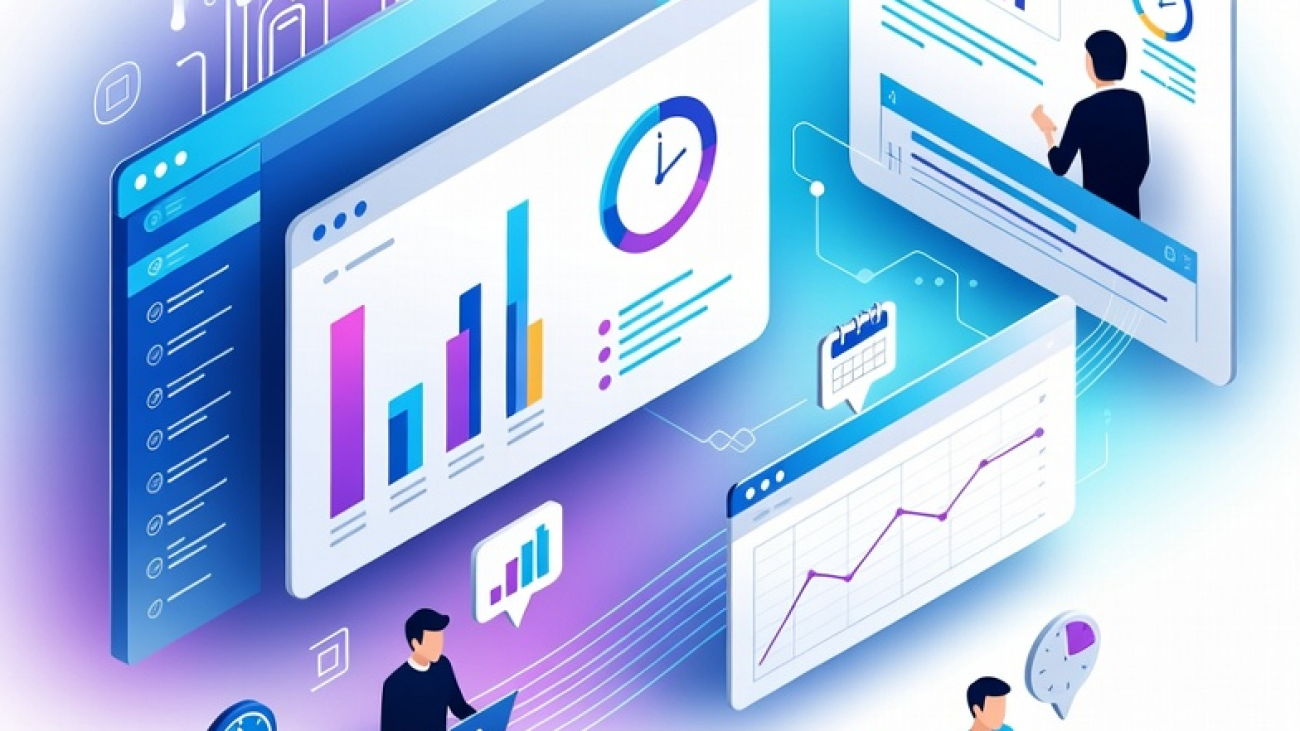
2. Attendance Tracking: Digital systems record employee check-ins and check-outs automatically. Swipeclock dashboards display attendance data clearly, showing trends and anomalies for educational analysis.

3. Notifications and Alerts: Alerts for missed shifts, late check-ins, or schedule changes help users understand operational flow. These features enhance comprehension of workflow management without invoking financial guidance.

4. Reporting Tools: Platforms generate visual summaries, such as graphs and charts, to analyze workforce patterns. Users can explore reports to learn how data is organized, interpreted, and presented.


Registration and Setup Process

Most time and attendance platforms share a similar registration workflow. Users typically:

  • Create an account with organizational credentials
  • Set up authentication and security options
  • Configure basic organizational data
  • Access a dashboard with guided onboarding

Swipeclock provides step-by-step instructions for adding employees, defining roles, and managing schedules. Comparable neutral platforms emphasize user-friendly design to facilitate educational understanding of digital workforce management.


Navigating the Interface

A clear interface is essential for effective learning. Dashboards in platforms like swipeclock display:

  • Upcoming shifts and schedules
  • Attendance summaries and alerts
  • Employee profiles and role permissions
  • Reports and analytics modules

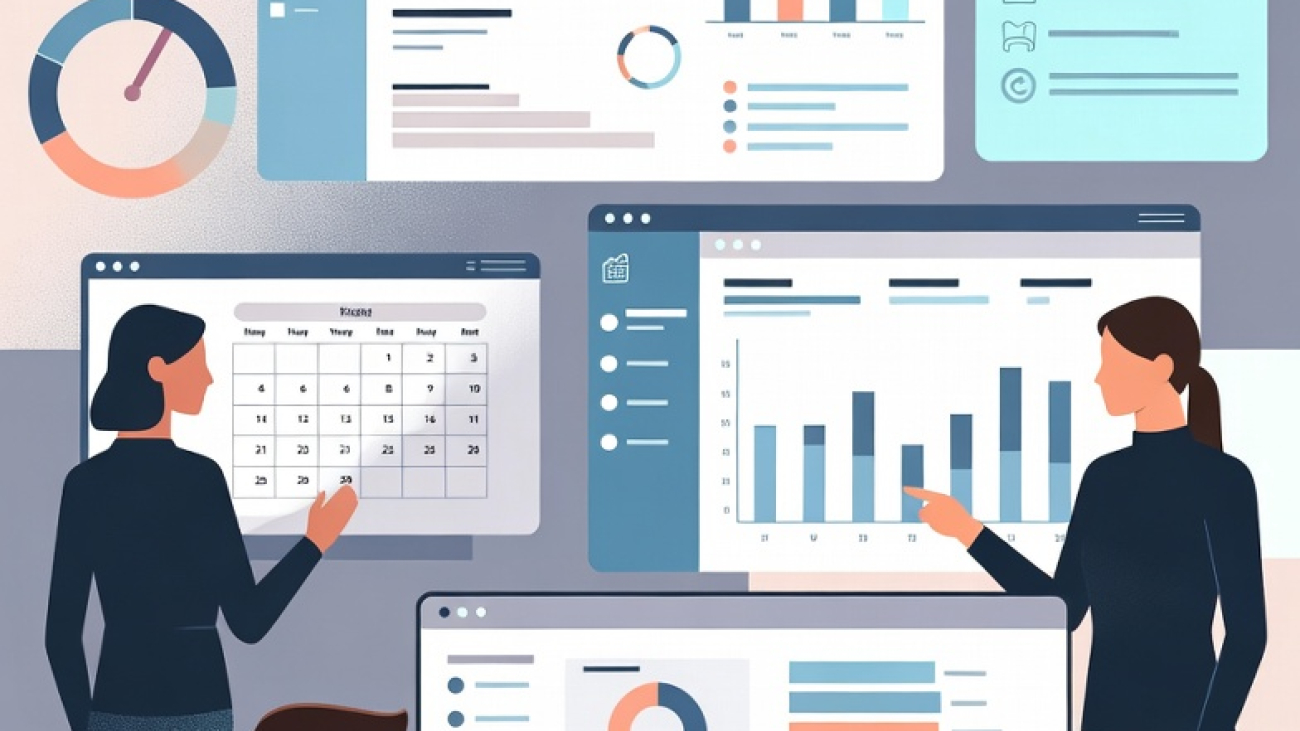
Users can interact with visual calendars, timelines, and color-coded elements to understand workflow management. Exploring these interfaces educates users on system logic, usability, and operational organization.


Comparing Platforms

While swipeclock is a prominent example, other neutral time and attendance systems may offer variations, including mobile compatibility, custom dashboards, or enhanced reporting tools. Educational comparison highlights differences in layout and feature presentation without suggesting usage or evaluating services.


Conclusion

Time and attendance platforms, exemplified by swipeclock, serve as informative examples of digital workforce management. Understanding registration steps, interface navigation, and key functionalities allows learners to explore these systems from an educational perspective. This analysis emphasizes knowledge acquisition without financial, service-based, or promotional implications.

Disclaimer: This post is for educational and informational purposes only and does not provide financial advice or investment guidance.
3

Navigating Workforce Management Dashboards

Disclaimer: This post is for educational and informational purposes only and does not provide financial advice or investment guidance.

Introduction

Modern organizations increasingly rely on digital platforms to manage workforce data efficiently. Dashboards serve as the central hub for these platforms, providing insights into schedules, attendance, and operational metrics. This post examines swipeclock and comparable systems, focusing on how users navigate dashboards, access features, and interpret displayed information for educational purposes.


The Role of Dashboards in Workforce Management

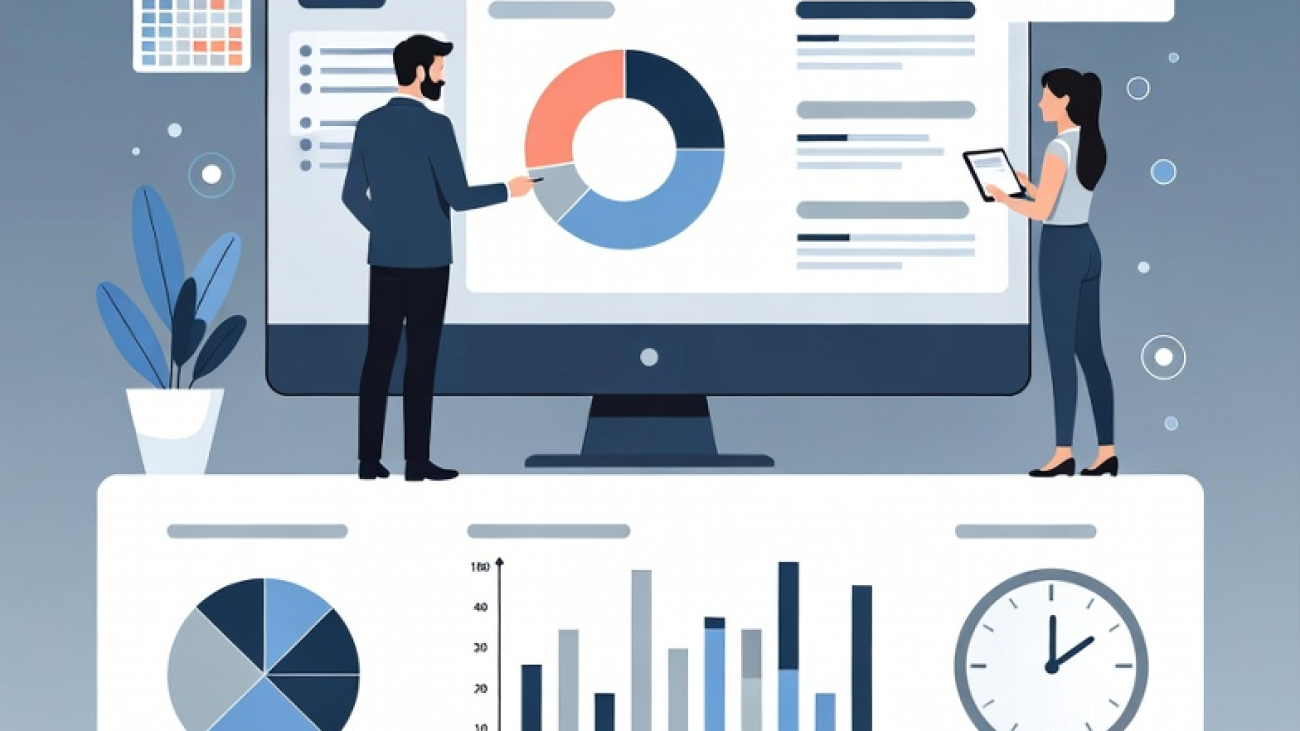
Dashboards are the core interface of digital workforce management platforms. They consolidate multiple modules, offering a clear overview of employee activity, upcoming shifts, and alerts. For example, swipeclock dashboards provide visual summaries of attendance, schedule compliance, and notifications.

Understanding dashboards is key to grasping how digital workforce management operates. Educational exploration emphasizes layout interpretation, menu navigation, and the relationship between dashboard data and platform functionality.


Registration and Access to Dashboards

Accessing a dashboard typically begins with platform registration. Users create an account, set up authentication, and configure basic organizational settings. Once logged in, the dashboard acts as the starting point for daily operations.

Swipeclock guides new users with an intuitive onboarding process. Interactive tutorials and setup wizards demonstrate how to add employees, define shifts, and customize notifications. Similar neutral platforms adopt comparable workflows, reinforcing usability and user orientation.


Navigating Dashboard Components

Digital dashboards often include multiple modules:

1. Schedules and Calendar Views: Provides visual timelines of shifts, color-coded by employee or department. Users can observe patterns and detect potential conflicts.

2. Attendance Monitoring: Displays employee check-ins and check-outs, enabling administrators to identify anomalies or trends.

3. Alerts and Notifications: Highlights pending actions, missed clock-ins, or upcoming shifts to maintain operational awareness.

4. Reports and Metrics: Offers charts, graphs, and summaries that allow educational exploration of workforce activity without requiring financial interpretation.

5. System Settings and User Management: Facilitates access control, role assignment, and configuration adjustments to suit organizational structure.

Exploring these components helps users understand data presentation, workflow logic, and practical use cases for workforce management platforms.


Comparative Overview of Similar Platforms

While swipeclock exemplifies structured dashboard navigation, other neutral platforms may present alternative layouts or additional modules. For instance, some platforms emphasize mobile accessibility, interactive analytics, or customizable interface elements.

Educational comparison highlights similarities and differences, allowing learners to develop a nuanced understanding of dashboard-based workforce management without evaluating services or making operational decisions.


Conclusion

Digital dashboards are central to workforce management platforms like swipeclock. By examining registration, navigation, and key dashboard features, users gain a professional and structured understanding of these systems. Studying dashboards from an educational standpoint provides insights into digital workflow management, emphasizing knowledge acquisition rather than financial or service-based application.

Disclaimer: This post is for educational and informational purposes only and does not provide financial advice or investment guidance.

2

Exploring Employee Scheduling and Attendance Tools

Disclaimer: This post is for educational and informational purposes only and does not provide financial advice or investment guidance.

Introduction

Managing employee schedules and tracking attendance is a fundamental aspect of organizational efficiency. Digital platforms simplify these processes, allowing administrators to coordinate shifts, monitor presence, and maintain organized records. This post examines platforms like swipeclock from an educational perspective, explaining registration, navigation, and the primary features that support effective workforce management.


Understanding Scheduling Tools

Scheduling tools within workforce management platforms enable organizations to create, adjust, and communicate work shifts. These tools often offer visual calendars, automated alerts, and templates for recurring schedules. Swipeclock, for example, provides a centralized dashboard where users can assign shifts, view team availability, and make real-time adjustments.

Other neutral platforms may include additional functionalities, such as mobile-friendly scheduling, drag-and-drop interfaces, and multi-location management. Understanding these core components helps users navigate and utilize scheduling tools efficiently.


Attendance Monitoring and Tracking

Attendance tracking is another essential feature of digital workforce management systems. Platforms record employee check-ins and check-outs, generating data that reflects punctuality and presence trends. Swipeclock incorporates automated time logs and alerts for anomalies, such as missed clock-ins or extended breaks.

Educational exploration of these systems highlights how tracking mechanisms operate without introducing any financial considerations. Users learn to read dashboards, interpret reports, and maintain accurate records, all within a neutral, professional framework.


Navigating the User Interface

A well-designed interface contributes to the usability of workforce management platforms. Swipeclock, for instance, uses a main dashboard displaying schedules, attendance alerts, and upcoming tasks. Side menus direct users to modules such as employee profiles, reporting, and system settings.

Features like color-coded schedules, interactive calendars, and timeline views enhance clarity and streamline operational tasks. Exploring these interfaces in an educational context helps users understand system logic, data representation, and functional navigation.


Additional Functionalities in Context

1. Reporting and Analysis: Platforms provide visual summaries of attendance, shift fulfillment, and workforce activity trends.

2. Employee Profiles: Administrators can access detailed employee information, roles, and permissions to maintain structured oversight.

3. Notifications and Alerts: Automated notifications support timely communication of schedule changes and important attendance updates.

4. Integration Capabilities: Many platforms connect with other organizational systems, such as HR or timekeeping tools, enhancing operational efficiency without requiring financial decision-making.

By exploring swipeclock alongside similar tools, users gain insight into the features that support organized scheduling and attendance management, reinforcing understanding through practical examples.


Conclusion

Employee scheduling and attendance platforms, such as swipeclock, serve as valuable educational examples of digital workforce management systems. Examining registration steps, navigation, and key functionalities provides a clear understanding of how these platforms operate. Approaching these tools from an informational perspective emphasizes knowledge acquisition rather than service engagement or financial application.

Disclaimer: This post is for educational and informational purposes only and does not provide financial advice or investment guidance.

1

Understanding Digital Workforce Management Platforms

Disclaimer: This post is for educational and informational purposes only and does not provide financial advice or investment guidance.

Introduction

In today’s evolving workplace, digital platforms for workforce management have become essential tools for organizations of all sizes. These platforms streamline scheduling, attendance tracking, and employee data management. This post aims to provide a professional and structured overview of such platforms, focusing on swipeclock and comparable tools, while explaining their registration process, navigation, and key functionalities.


What Are Digital Workforce Management Platforms?

Digital workforce management platforms are software solutions designed to assist organizations in monitoring and managing employee attendance, scheduling, and time-related processes. Unlike traditional paper-based systems, these platforms provide a centralized interface where administrators can access and manage data efficiently. They typically include features such as time tracking, schedule creation, reporting dashboards, and automated notifications.

Platforms like swipeclock allow organizations to manage daily operations with clarity and structure. Other neutral tools in this space may offer similar functionalities, each with unique interface designs and navigation approaches.


Registration and Onboarding Overview

The registration process for digital workforce management platforms is generally standardized across most systems. New users usually begin by creating an account, providing organizational information, and setting up security credentials. Once registered, administrators can configure the platform according to organizational policies, including defining employee roles and permissions.

Swipeclock, specifically, guides users through an intuitive onboarding workflow. Users can access dashboards immediately after logging in, where setup wizards provide step-by-step instructions for adding employees, scheduling shifts, and monitoring attendance. Other platforms often adopt a similar flow, emphasizing user-friendly navigation and minimal setup friction.


Navigating the Platform Interface

Effective navigation is critical for the efficiency of workforce management platforms. Most platforms, including swipeclock, feature a main dashboard that displays essential metrics, such as scheduled shifts, attendance alerts, and upcoming tasks. Side menus typically provide quick access to modules for employee management, reporting, and system settings.

Users can interact with calendars, visual timelines, and color-coded schedules to gain a comprehensive overview of workforce activity. For example, administrators may view a weekly schedule and adjust shifts directly on the interface, streamlining operations without needing extensive training.


Key Functionalities Explained

1. Scheduling and Shift Management: Platforms allow the creation of recurring schedules, shift templates, and automated alerts for upcoming changes.

2. Attendance Tracking: Digital systems track check-ins and check-outs, producing reports on employee presence and punctuality.

3. Reporting and Analytics: Dashboards compile data into visual charts, showing trends over time, which aids in operational planning.

4. User Roles and Permissions: Administrators can assign different levels of access, ensuring that sensitive information is protected while users perform necessary tasks efficiently.

5. Integration and Compatibility: Many workforce management platforms integrate with payroll systems, HR software, and other organizational tools, enhancing overall efficiency.

By exploring swipeclock and similar platforms, organizations can identify features that align with their operational requirements. Understanding these functionalities allows users to leverage technology for effective workforce oversight.


Conclusion

Digital workforce management platforms, exemplified by swipeclock, provide structured tools for scheduling, attendance, and reporting. By understanding the registration process, interface navigation, and core functionalities, users can efficiently manage workplace operations. Learning about these platforms from an educational perspective helps clarify the technological options available without engaging in financial decision-making or service promotion.

Disclaimer: This post is for educational and informational purposes only and does not provide financial advice or investment guidance.